
Creative Writing + Art | Grades 3–6
A six-week creative writing and art experience where students explore identity, language, poetry, and self-expression. Through mentor poems, playful writing, discussion, and hands-on artmaking, students discover how names, memories, family, place, and everyday experiences can inspire meaningful creative work.
Students develop their vocabulary, word choice, poetic craft, revision skills, and confidence while creating original poems and artwork. The program culminates in a published poetry anthology featuring each student’s writing and art alongside the work of their peers—a keepsake celebrating their creativity and unique voice.
About Found in the Words
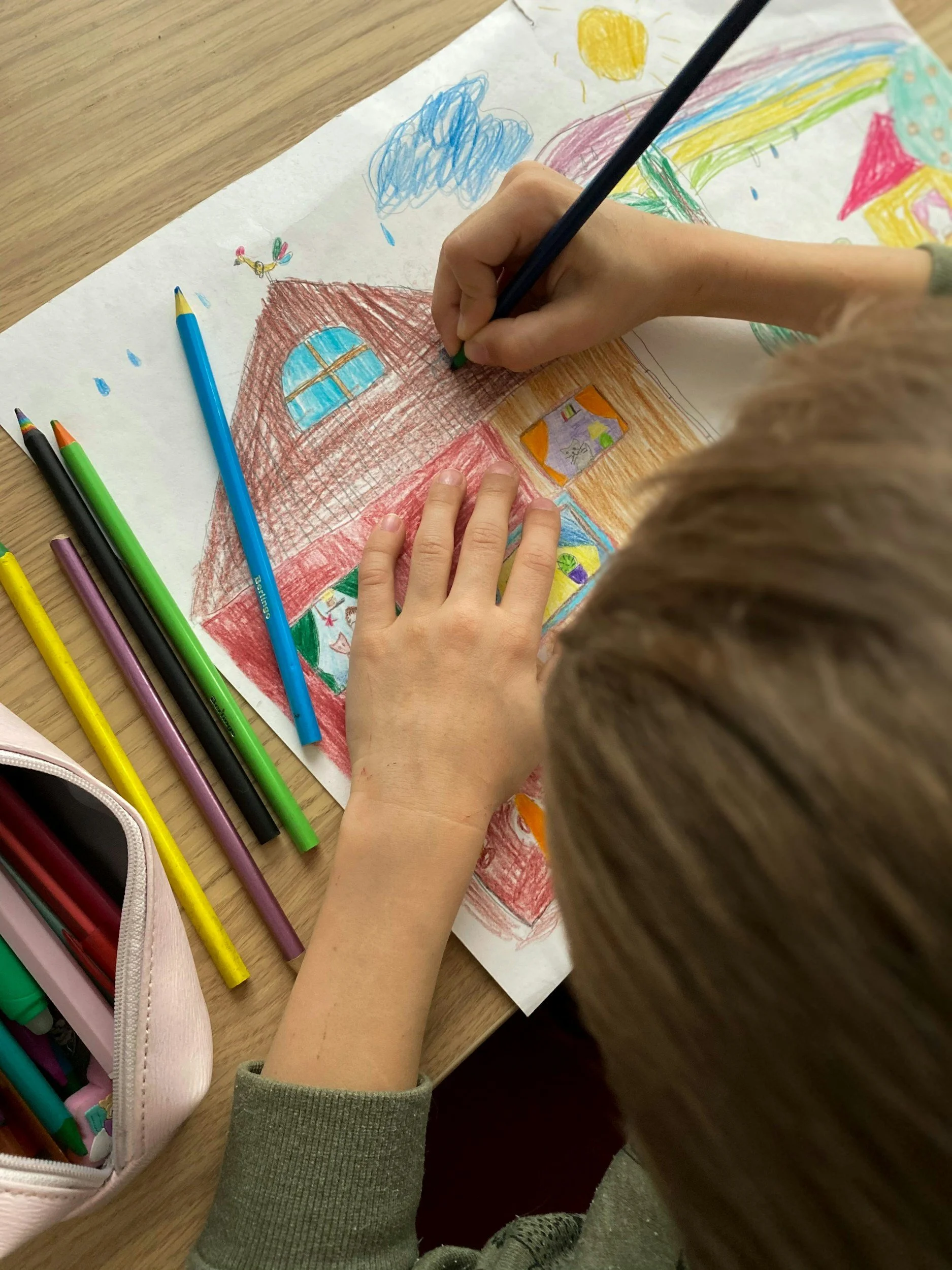
In Found in the Words, a six-session, afternoon program for students in 3rd-6th grade, students explore individuality, language, poetry, and art through a playful, thoughtfully designed six-week creative writing experience. Students will read and respond to poems by Ofelia Zepeda, William Carlos Williams, George Ella Lyon, and Shel Silverstein, discovering how writers use words to express who they are, what they notice, what they remember, and what matters to them. They’ll also use art to explore and visually express the ideas, memories, and aspects of identity that emerge through their writing.
At the end of the six weeks, each student will receive a published poetry anthology featuring their original writing and artwork alongside the work of their group mates. The anthology includes a collection of words, ideas, poems, and artwork created by them—and serves as a lasting celebration of their individual voices.
Best for
3rd, 4th, 5th, and 6th grade students of all levels
Dates
Wednesdays,
September 16-October 21, 2026
Time
4:00-5:30 pm
Location
1580 First Street, Napa, CA 94559
About the Curriculum
-
The poets featured in this unit are Ofelia Zepeda, William Carlos Williams, George Ella Lyon, and Shel Silverstein. Through these diverse voices and approaches to poetry, students explore identity, language, place, observation, memory, and self-expression while studying the craft of poetry.
-
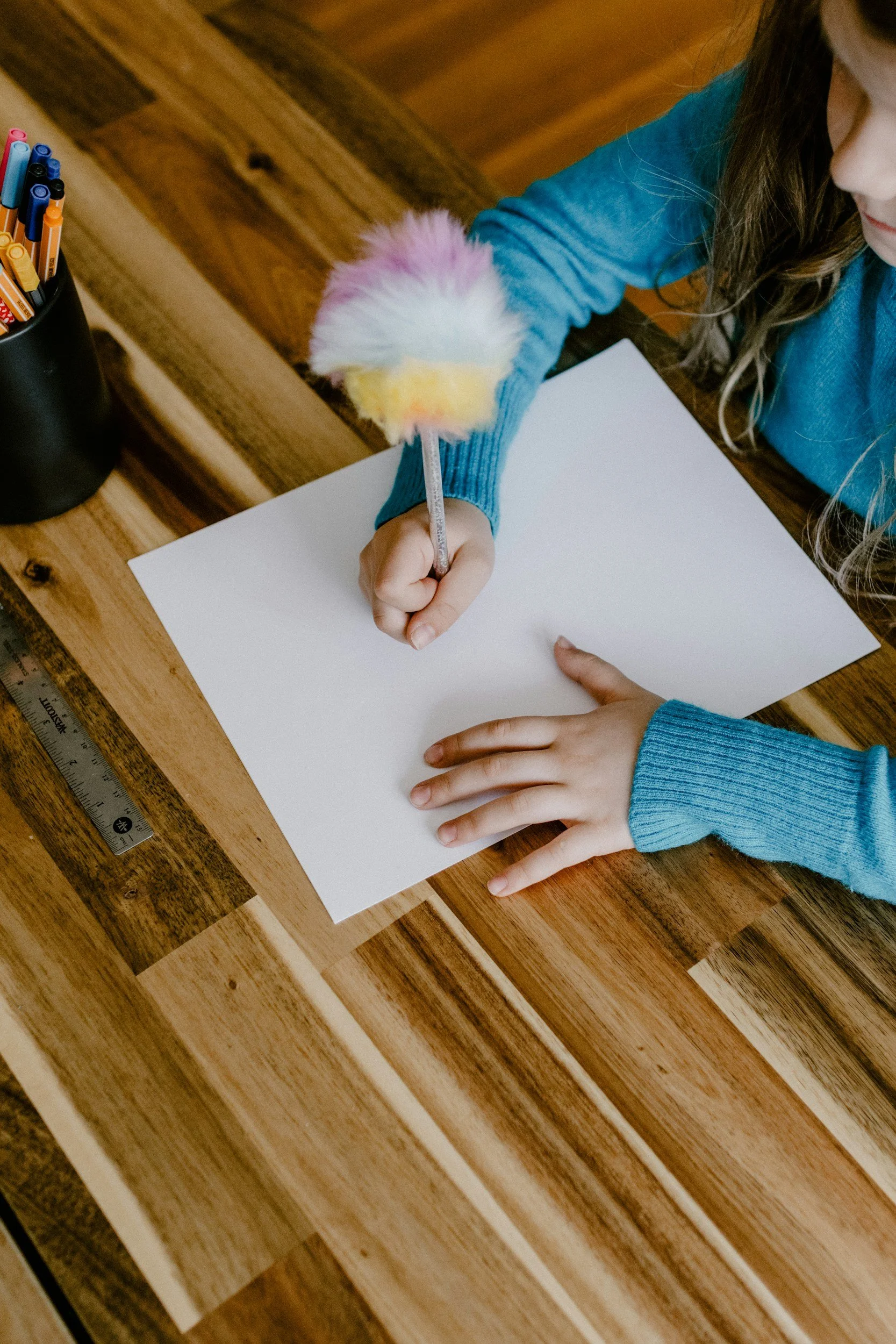
In the first part of the unit, students explore the significance of names and the many components of identity. They experiment with poetic forms and wordplay as they consider which words best represent them as individuals and writers. Through name-based poetry, puzzles, and creative letter art, students explore the possibilities within their own names and use both words and visual art to communicate ideas about identity.
-
The second part of the unit becomes increasingly complex and abstract as students explore the work of Ofelia Zepeda and William Carlos Williams. Through close reading and discussion, students consider how ordinary objects, places, memories, and words can hold personal meaning and reveal aspects of identity. Students then reflect on what matters to them and what they carry with them, both literally and figuratively, as they develop their own poems.
-
The third part of the unit shifts toward playful language and deeper reflection as students explore the work of Shel Silverstein and George Ella Lyon. Through Silverstein's wordplay in “Ations,” students experiment with sounds, word parts, and invented language as they discover words that can represent their interests, personalities, and experiences. In exploring Lyon's “I Am From,” students consider how family, place, memories, traditions, and everyday experiences contribute to their sense of identity. Students then draw on these ideas to create an original poem that reflects the people, places, experiences, and words that have shaped who they are.
-
For their culminating task, students create a published poetry anthology featuring their original poems and artwork, demonstrating their understanding of how names, language, family, place, memories, relationships, and experiences can shape identity.
By the end of the unit, students will understand that our identities are shaped by the people, places, experiences, language, and memories that make up our lives, and will be able to use poetry and visual art to communicate meaningful ideas about their own identity and experiences.